3 min read April 20, 2026 at 5:48pm
Students from Global Institute of Property Studies (GIPS) recently returned from a ten-day exchange programme with the University of Cape Town's Department of Construction Economics, with a focus on real estate. The programme combined academic presentations, industry visits, and engagement with researchers and practitioners working across the South African property sector.
Academic Sessions at UCT
The exchange opened with sessions hosted at UCT's Real Estate Department. Professor Francois Viruly and Manya Moya led the initial presentations, covering the dynamics of the South African property market. Students were taken through the significance of property cycles in investment and development decisions, and were reminded that timing is as critical as location in determining project outcomes.
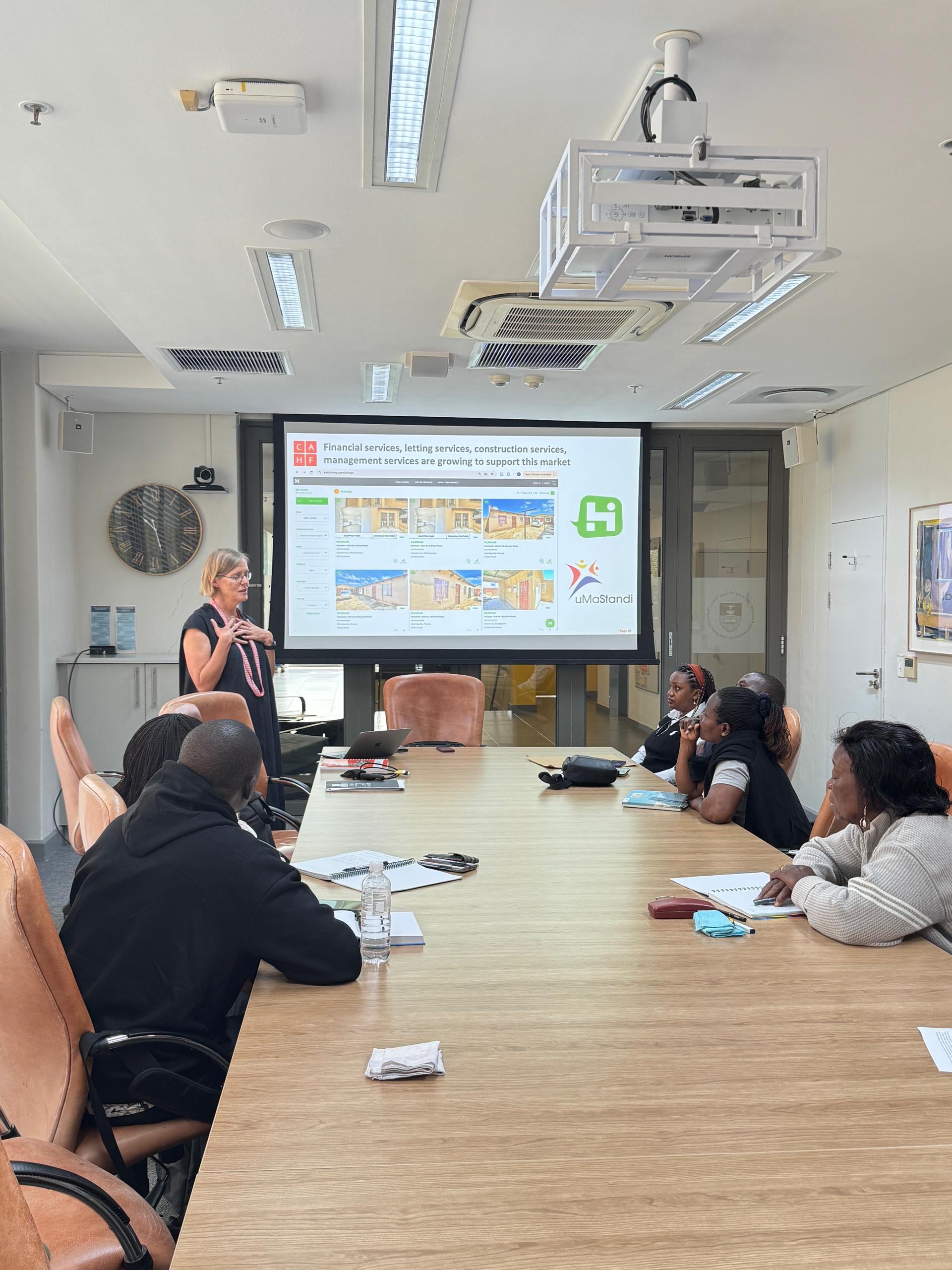
The sessions also underscored how neighbourhood context shapes property performance, and that market conditions in one country cannot be assumed to translate directly to another, given the differences in economic, social, and regulatory environments.
On the second day, three guest speakers addressed the group on a broader range of issues. Kecia Rust of the African Union for Housing Finance spoke on housing rights, noting that access to adequate housing is a fundamental human right and that governments are obligated to take progressive legislative measures to prevent unlawful eviction. Tobias Just Schulte, representing the Foundation for African Real Estate Research at the University of Regensburg in Germany, outlined opportunities for expanding African real estate scholarship and fostering cross-continental research collaboration. Zama Mgwatyu addressed the realities of township housing in South Africa, focusing on how low-cost housing developers can be better supported and empowered.
Industry Visit: V&A Waterfront
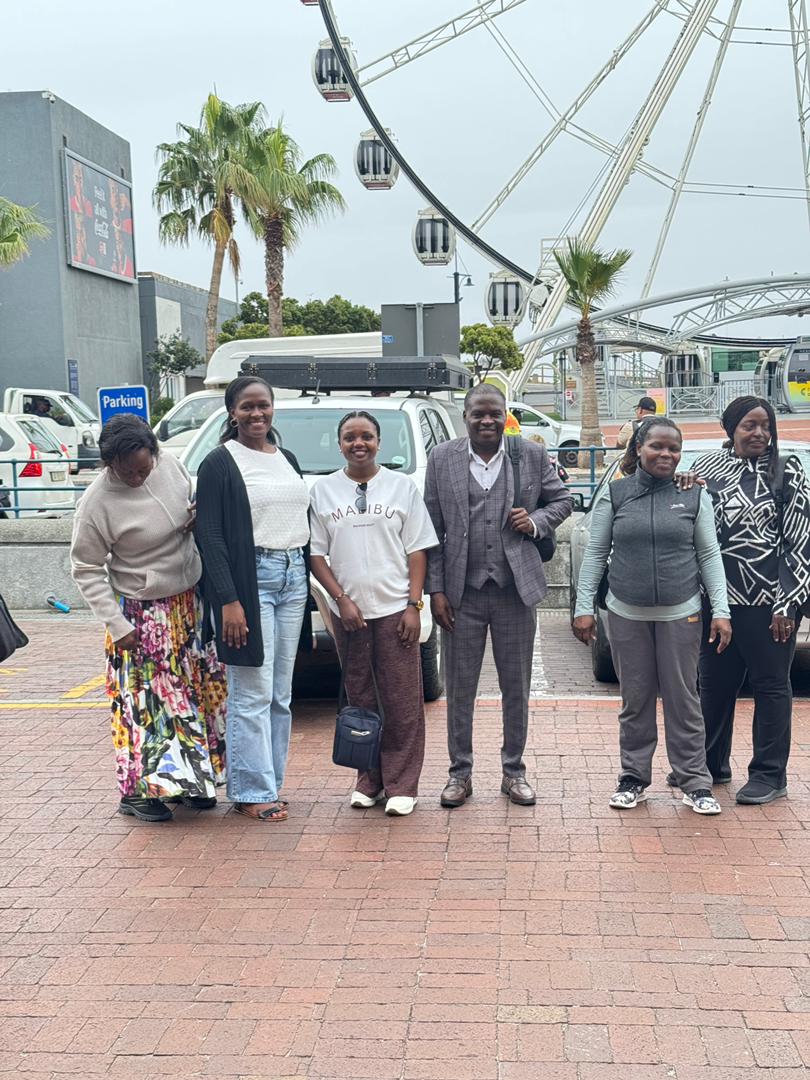
The group also visited the V&A Waterfront in Cape Town, one of Africa's largest and longest-operating mixed-use precincts. Students were taken through the facilities management operations and sustainability practices that underpin the precinct's performance. A key point made during the visit was that innovation at the Waterfront is guided by research and empirical data, rather than assumption. This offered students a direct illustration of how data-driven management functions in a live, large-scale real estate asset.
Scope of the Programme
Over the ten days, the cohort covered topics including property market analysis, shopping centre management, sustainability, facilities management, PropTech, and housing policy. According to Dr. Rachael Mirembe, who accompanied the students, the experience reinforced the value of situating academic learning within real-world market contexts.
The exchange was facilitated through the partnership between GIPS and the UCT Department of Construction Economics. GIPS has indicated that it intends to build on programmes of this kind as part of its broader commitment to providing students with international exposure and industry engagement alongside their formal studies.